Colorizing black-and-white photos has long been a meticulous and time-consuming task, traditionally requiring skilled artists to manually add color using software like Photoshop. However, with the advent of Artificial Intelligence (AI), the process of photo colorization has undergone a revolutionary transformation. In this article, we explore the advantages of using AI for colorizing photos compared to traditional manual methods.
One of the most significant advantages of AI colorization is its speed. What could take hours or even days for a human artist to complete can now be accomplished in mere seconds with AI algorithms. This efficiency is particularly beneficial for large collections of photos, allowing users to quickly colorize multiple images without the need for extensive manual labor.
AI models are trained on vast datasets of images, enabling them to learn patterns and color distributions that lead to more consistent and accurate results. While human artists may introduce subjective biases or inconsistencies in color choices, AI can apply colors based on learned data, resulting in a more uniform appearance across a series of photos.
Manual colorization requires a certain level of expertise in photo editing software, which can be a barrier for many users. AI-powered tools democratize the colorization process, making it accessible to anyone with a computer or smartphone. Users can achieve impressive results without needing specialized skills or training.
"While manual colorization has its merits and allows for artistic expression, the advantages of AI in terms of speed, consistency, and accessibility make it a compelling choice for photo colorization. As AI technology continues to advance, we can expect even more sophisticated and realistic colorization techniques that will further enhance our ability to bring black-and-white photos to life."
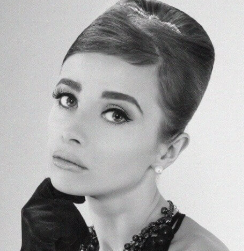
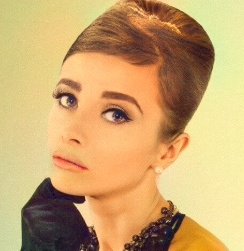 TEST IT NOW!